If you are standing over a stack of sheets wondering, can you cut fibre cement sheets without wrecking the edge or filling the site with dust, the short answer is yes. But the better answer is that it depends on the sheet type, the tool in your hand, and how seriously you take dust control. Fibre cement is strong, weather-resistant and built for long service, but it is not a material to cut carelessly.
For roofing and cladding jobs, clean cuts matter. A rough edge can make fitting harder, spoil the finish and slow the whole install down. Whether you are trimming sheets for a shed, garage, stable or agricultural building, the aim is the same – accurate cuts, minimal breakage and a safe working setup.
Can you cut fibre cement sheets with standard tools?
You can cut fibre cement sheets with common site tools, but not every tool gives the same result. That is where many problems start. A tool that cuts timber well may leave chipped edges, excessive dust or poor control on cement-based sheets.
In most cases, the best choice is a circular saw fitted with a fibre cement or diamond-tipped blade. That gives you a straight, controlled cut and is usually the quickest method when you have several sheets to process. For smaller adjustments, a jigsaw with the correct blade or hand shears designed for suitable sheet materials may be workable, although results can vary depending on sheet thickness and profile.
Angle grinders are often the tool people reach for because they are already on site. They will cut fibre cement, but they also create far more dust and can be harder to control cleanly. That makes them a less attractive option unless there is no better alternative and the right dust suppression measures are in place.
Why fibre cement needs a different approach
Fibre cement sheets are tough because they are made to cope with the weather. They resist rot, insects and harsh conditions far better than many traditional sheet materials. That strength is one of their main selling points, especially on outbuildings and light industrial roofs, but it also means cutting them is not as forgiving as cutting plastic or thin metal sheet.
The main issue is brittleness. Fibre cement is durable in service, yet it can chip or crack if it is badly supported or handled roughly during cutting. The second issue is dust. Dry cutting can release fine particles, so the job needs planning rather than guesswork.
That trade-off is worth understanding. Fibre cement offers long-term performance and a solid, dependable finish, but it asks for proper handling during installation.
The safest way to cut fibre cement sheets
The safest setup is usually a stable cutting area outdoors or in a well-ventilated space, with the sheet fully supported close to the cut line. Mark the line clearly, keep the sheet from flexing, and use a saw fitted with the correct blade so you are cutting efficiently rather than forcing the tool through the material.
Dust control should be part of the plan from the start. That means using extraction where possible, avoiding unnecessary dry cutting methods that throw dust into the air, and wearing suitable personal protective equipment. A proper dust mask or respirator, eye protection and gloves are basic site common sense here, not optional extras.
If you are cutting multiple sheets, set up once and do it properly. Rushed cuts on an improvised bench often lead to broken corners and wasted material. On a busy job, that soon costs more than the time saved.
Best tools for clean cuts
For straight cuts, a circular saw with a low-dust fibre cement blade is generally the best all-round option. It is fast, accurate and practical for repeated cuts. If your job is mainly long runs across roofing sheets, this is usually the method that keeps the work moving.
For notches, cut-outs or smaller awkward sections, a jigsaw can help, provided the blade is suitable for fibre cement. It will be slower, and the finish may not be as crisp as a saw on straight runs, but it can be useful where access is tight.
A score-and-snap method is sometimes mentioned for thinner flat sheets, but it is less common for profiled roofing sheets and not something to assume will work on every product. Always check the sheet specification first.
Tools to treat with caution
An angle grinder will cut quickly, but it creates a lot of airborne dust and can leave a rougher finish if the user pushes too hard or lets the disc wander. It is not the first choice for a clean, controlled roofing job.
Old or incorrect blades are another problem. They can overheat, chip the material and make the cut harder than it needs to be. If the blade is wrong, even a decent saw can produce poor results.
How to cut fibre cement sheets without cracking them
Good support is the key. The sheet should sit flat and remain supported on both sides of the cut. If the offcut is left hanging, the material can snap before the cut is complete, especially near the end.
Marking out properly matters as well. A visible line helps you keep the tool steady and avoid correcting the cut halfway through. Sudden changes in direction or pressure are often what chip an otherwise sound sheet.
Feed the tool through at a controlled pace. Too fast and the blade can bind or break the edge. Too slow and you may create excess friction and dust. Like most site work, there is a feel to it, but the principle is simple – let the blade do the work.
If the sheet has a profile, take extra care when starting and finishing the cut across the raised sections. Those points are more vulnerable to chipping if the sheet bounces or the tool catches.
Cutting on site or ordering pre-cut sheets
This is where practicality comes in. Yes, you can cut fibre cement sheets on site, and many installers do. But that does not always mean you should cut every sheet yourself.
If your roof layout is straightforward with only a few trims, on-site cutting is manageable with the right tools. If the job involves repeated lengths, multiple penetrations, awkward abutments or a tight programme, it is worth thinking ahead about supply, accuracy and waste. Getting sheet sizes and matching accessories right from the start can save a great deal of site time.
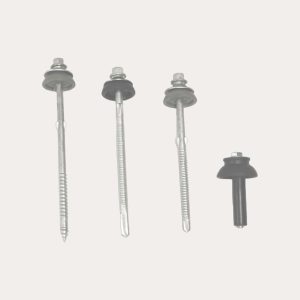
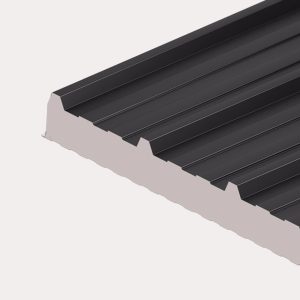
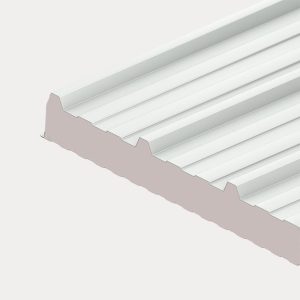
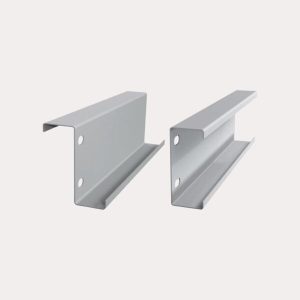
That is where working with a specialist supplier helps. Roof Sheets Online supplies not just the sheets, but the fixings, flashings, purlins and finishing components needed to complete the build properly. For trade buyers and competent DIY customers alike, that one-stop approach reduces the usual back-and-forth and helps keep the install on track.
Common mistakes when cutting fibre cement sheets
The first mistake is using the wrong blade because it is already in the van. That often leads to chipped edges and far more dust than necessary. The second is poor sheet support, which is a common cause of cracking.
Another issue is treating fibre cement like lightweight metal roofing. It is not. It has different cutting behaviour, different dust considerations and less tolerance for rough handling. Carrying, stacking and cutting all need a bit more care.
Some installers also forget to think about edge condition before fixing the sheet. If the cut edge is damaged, forcing the sheet into place can create problems with alignment and finish. A good fit starts with a clean cut.
When it is better to ask for advice
If you are not sure which blade suits your sheet, whether a particular profile can be trimmed in the way you need, or how much allowance to leave around roof details, it is better to ask before you cut. One wrong cut on a roof sheet can be expensive, especially if it throws the rest of the run out.
This is particularly true on larger roofs, agricultural buildings and refurbishment jobs where existing dimensions are not always perfect. A few minutes of technical guidance can prevent wasted sheets, delayed fitting and unnecessary frustration.
So, can you cut fibre cement sheets?
Yes, you can cut fibre cement sheets, and with the right setup you can do it safely and neatly. The key is choosing the proper tool, supporting the sheet well and keeping dust under control. There is no clever shortcut here – just good practice, the right materials and a bit of planning.
If you want the job to look sharp and last, treat the cutting stage as part of the installation quality, not an afterthought. Get that right, and the rest of the roof build is on much firmer ground.